Texas Halts New H‑1B Visa Petitions at Public Institutions — What It Means for Skilled Workers and Employers
- Geofrey M. Law

- Jan 29
- 3 min read
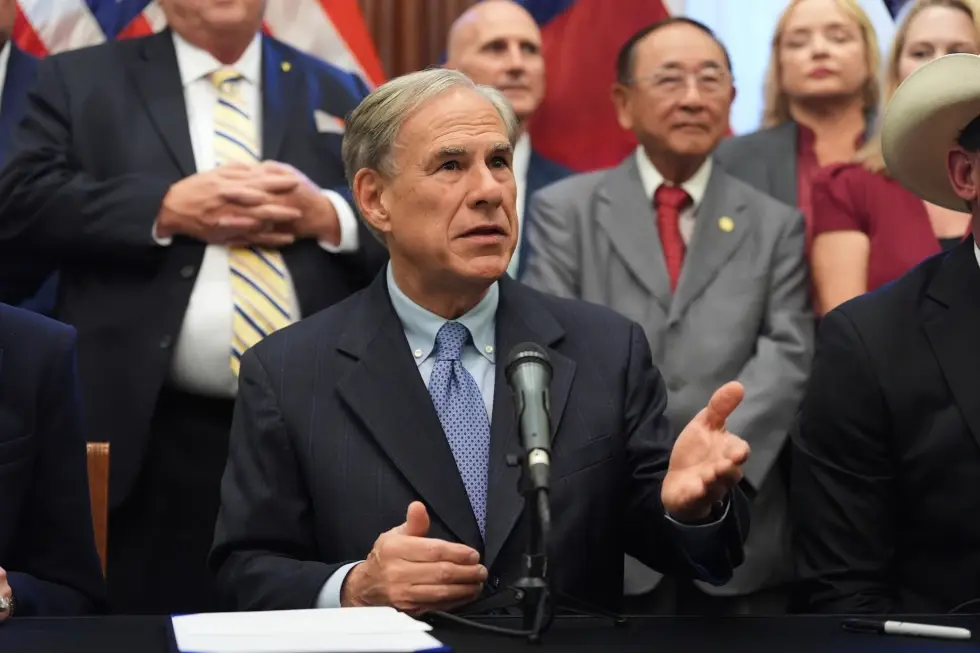
In a dramatic and unexpected development, Texas Governor Greg Abbott has issued a directive ordering state agencies and public universities to stop filing new H‑1B visa petitions until at least May 31, 2027. That includes institutions of higher education and state government employers that normally rely on H‑1B visas to hire highly skilled professionals — from engineers to researchers to medical specialists.
The move aligns with broader political momentum aimed at tightening oversight of the skilled worker visa system, a push that includes federal initiatives to reform H‑1B regulations and increase employer accountability.
Why Texas Took This Step
Governor Abbott framed the decision around a key priority: protecting job opportunities for Texans. In his written directive to agency heads, he said that employment funded by taxpayers — especially in public sector roles — should be filled by qualified local workers first. The order also requires agencies and universities to submit detailed records on H‑1B use, including job titles, visa expiration dates, and recruitment efforts.
Supporters say this pause will allow state lawmakers to develop new rules and align with federal reforms aimed at preventing misuse of the visa program. Critics contend the policy goes too far, applying a broad freeze rather than targeted enforcement against abuse.
Immediate Effects for Skilled Foreign Workers
Current H‑1B holders are unaffected; the freeze applies only to new petitions from state agencies and public universities.
Researchers and faculty candidates planning to join Texas public institutions may see offers delayed or rescinded.
Public healthcare and academic research centers, including major employers like medical schools and teaching hospitals, warn the policy could widen staffing shortages and hurt innovation.
The freeze is also prompting private commentary that expressed concern about the state’s ability to attract global talent — especially in fields such as medicine, engineering, and scientific research that rely on international professionals.
What the Policy Doesn’t Affect
It’s important to note what this freeze doesn’t do:
Private companies — tech firms, private hospitals, startups, and other non‑government employers — can still sponsor H‑1B workers under normal federal procedures.
The pause does not cancel or revoke existing work authorizations for foreign workers already employed under an H‑1B at a state agency or public university.
Broader Implications for Immigration and Hiring
Texas is among the states with the highest number of H‑1B visa holders in the country, along with California, New York, and New Jersey. The H‑1B program — created to allow U.S. employers to hire foreign professionals in specialized roles — has been at the center of political debate for years. Advocates argue it supports American competitiveness, while critics focus on wage suppression and labor displacement concerns.
This directive also reflects growing state‑level involvement in immigration policy, a landscape that until recently was driven almost entirely by federal law. With other states considering similar moves, skilled foreign workers and the employers who depend on them should watch how these policies evolve — and plan accordingly.
What Should Employers and Workers Do Now?
If you’re a foreign national planning to pursue H‑1B employment in Texas’ public sector, this means revisiting your strategy:
Explore opportunities with private employers, where federal visa rules remain unchanged.
Prepare early. If your goal is academic or public service employment, start conversations well before these freezes expire.
Consult with an immigration attorney to understand how this affects your visa options and alternative pathways to work in the U.S.
This policy marks a pivotal moment in the ongoing debate over how skilled immigration fits into the American workforce — and for individuals and employers alike, adaptability and informed planning are essential.
Call Us Today for Immigration Advice You Can Trust.


The news almost gave me a heart attack. This article has saved me! Thank you!