Federal Court Blocks Termination of Legal Status for Hundreds of Thousands of Immigrants: What This Means for You
- Geofrey M. Law

- Apr 2
- 2 min read
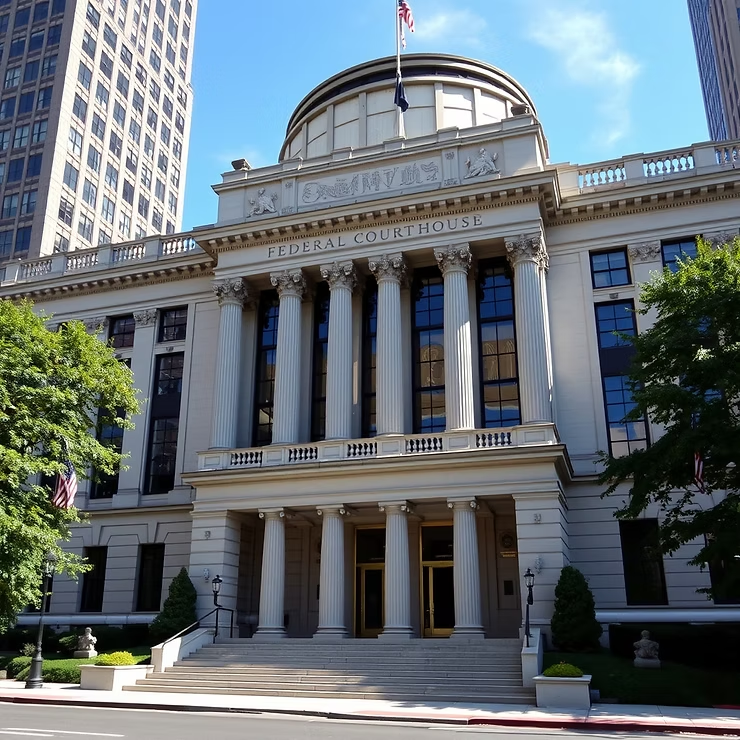
In a major legal development, the U.S. District Court for the District of Massachusetts has ruled that the Trump administration must restore the legal status of potentially hundreds of thousands of immigrants who entered the United States lawfully through a Biden-era program.
This decision is not just political—it has real, immediate consequences for immigrants currently living, working, and building their lives in the United States.
What Happened?
During the prior administration, a program allowed certain migrants to enter the U.S. legally through a structured process, including the use of appointment-based systems like CBP One.
However, after policy changes, the government attempted to:
Terminate that legal status.
Revoke work authorization.
Require individuals to leave the U.S.
A federal judge has now ruled that this action was not carried out lawfully, ordering the government to restore those protections.
Why the Court Ruled This Way
The key issue was due process and proper legal procedure. According to the court:
The government cannot simply revoke lawful status without proper justification.
Agencies must follow established legal procedures before terminating protections.
Individuals who entered legally under an official program have rights that must be respected.
In simple terms: If the government gives you legal status, it cannot take it away arbitrarily.
What This Means for Immigrants
If you—or someone you know—entered the U.S. through one of these programs, this ruling could be critical. Potential protections include:
Restoration of lawful presence.
Reinstatement of work authorization.
Protection from immediate removal.
But there’s a catch: This situation is still evolving. The government may:
Appeal the decision.
Issue new policies
Attempt different legal strategies.
This means your status may still be uncertain without proper legal guidance.
A Pattern We Are Seeing
This case reflects a broader trend in immigration law today:
Policies change quickly.
Courts step in to review executive actions.
Immigrants are often caught in the middle.
We are seeing increasing tension between executive policy and judicial oversight, especially in areas like:
Parole programs.
Temporary protections.
Humanitarian pathways.
What You Should Do Right Now
If you are affected by this type of program, do not assume you are automatically safe.
Instead:
Confirm your current status.
Keep documentation of your entry and approvals.
Monitor updates closely.
Speak with an immigration attorney before taking action.
Our Legal Perspective
From our experience, the biggest risk in situations like this is inaction. Many individuals:
Assume the ruling protects them permanently.
Delay seeking advice.
Miss opportunities to secure more stable status.
Court decisions can open doors—but they do not guarantee long-term protection.
Final Thoughts
This ruling is a powerful reminder of an important principle: Immigration status granted under the law cannot be taken away without the law. But it is also a reminder that immigration law is constantly changing—and your strategy must change with it.
Need Help Navigating This?
If you entered the U.S. through a parole program or are unsure about your current status, now is the time to act.
A proactive legal strategy today can protect your future tomorrow.


Comments