USCIS Implements Significant Changes to the Affirmative Asylum Process: What Asylum Applicants Need to Know

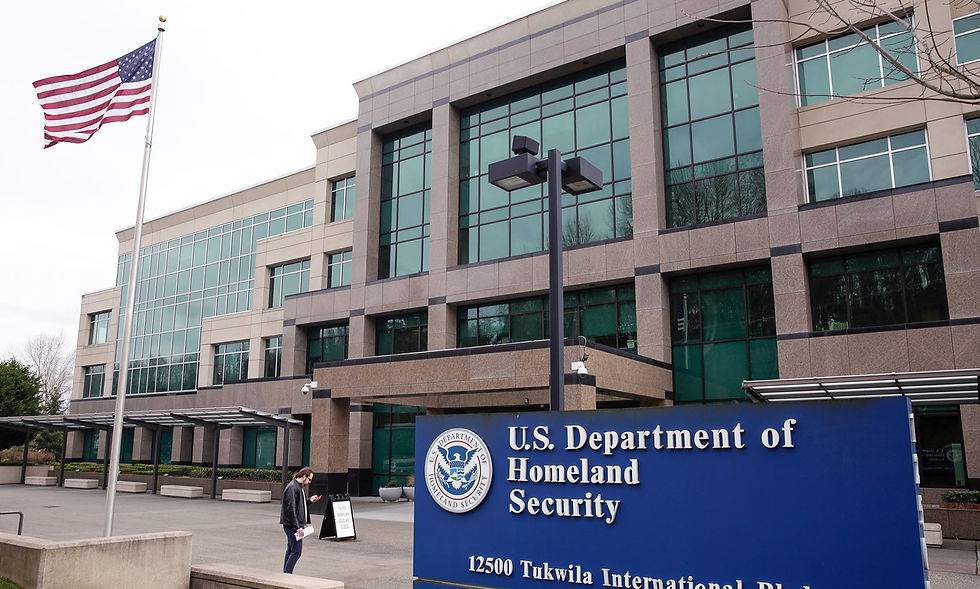
Beginning July 28, 2026, the Department of Homeland Security ("DHS") has implemented an interim final rule that substantially changes how U.S. Citizenship and Immigration Services ("USCIS") may process certain affirmative asylum applications.
The new rule authorizes USCIS, in specified circumstances, to refer affirmative asylum applications directly to the Immigration Court without first conducting an asylum interview.
The policy marks another significant shift in the administration of the U.S. asylum system and underscores the increasing importance of presenting a legally and factually well-supported asylum application from the outset.
What Has Changed?
Historically, individuals filing an affirmative asylum application with USCIS generally expected to receive an interview with an asylum officer before USCIS decided whether to grant asylum or refer the case to the Immigration Court.
Under the new interim final rule, USCIS may now refer certain affirmative asylum applications directly to removal proceedings without first conducting that interview.
According to DHS, the rule may apply to applicants who:
Are statutorily barred from applying for asylum;
Are barred from receiving asylum;
Do not warrant a discretionary grant of asylum; or
Are not eligible for asylum based on the merits of their claims.
The rule also applies to certain pending affirmative asylum applications, meaning some applicants whose cases are already awaiting adjudication could be affected.
Additional Procedural Changes
The interim final rule makes several other notable changes to the affirmative asylum process.
Among other things, it:
Removes regulatory language suggesting that applicants have a "right" to a USCIS asylum interview;
Eliminates the requirement that a referral notice include USCIS's assessment of the applicant's credibility; and
Confirms that USCIS will continue to conduct asylum interviews for applicants who maintain a lawful basis to remain in the United States and in other circumstances where interviews are required by law or policy.
These revisions provide USCIS with greater procedural flexibility in determining how certain affirmative asylum cases will be processed.
DHS's Stated Objective
DHS has explained that the interim final rule is intended to improve the efficiency of the affirmative asylum system and reduce the substantial backlog of pending asylum applications.
Whether the rule ultimately achieves those objectives—or prompts additional legal challenges—remains to be seen.
Nevertheless, it reflects a continued trend toward streamlining asylum adjudications and granting immigration authorities broader procedural discretion.
What This Means for Asylum Applicants
Although many applicants will continue to receive asylum interviews, individuals should no longer assume that every affirmative asylum application will proceed through the traditional interview process.
Asylum applications should be prepared with the expectation that USCIS may evaluate the legal sufficiency of the case at an early stage.
A well-prepared application supported by detailed declarations, corroborating documentation, and persuasive country conditions evidence is more important than ever.
Applicants should also recognize that a referral to the Immigration Court is not a denial of the asylum claim.
Individuals placed in removal proceedings generally retain the opportunity to pursue asylum and other forms of protection before an Immigration Judge, where the case will be considered independently.
Our Perspective
This rule reinforces a broader reality of today's immigration landscape: asylum cases are becoming increasingly technical, and procedural changes can have a significant impact on how claims are adjudicated.
Early legal analysis, careful preparation, and a thorough understanding of evolving USCIS policies are essential to maximizing the likelihood of success.
Applicants should ensure that potential statutory bars, discretionary issues, and evidentiary weaknesses are identified and addressed before an application is filed whenever possible.
We Can Help
If you are considering applying for asylum or have a pending affirmative asylum application, experienced legal guidance can help you understand how recent policy changes may affect your case and develop a strategy tailored to your individual
circumstances.
Our firm closely monitors changes in immigration law and policy and represents clients in asylum matters before USCIS and the Immigration Court.
Disclaimer: This article is provided for general informational purposes only and does not constitute legal advice.
Every immigration case is unique. You should consult with a qualified immigration attorney regarding your specific circumstances.
You’re using a less


Beautiful read. Please what are your legal fees to represent clients in immigration court? Thank you!